

Arctic vs Antarctica: Which Polar Expedition Is Right for You?
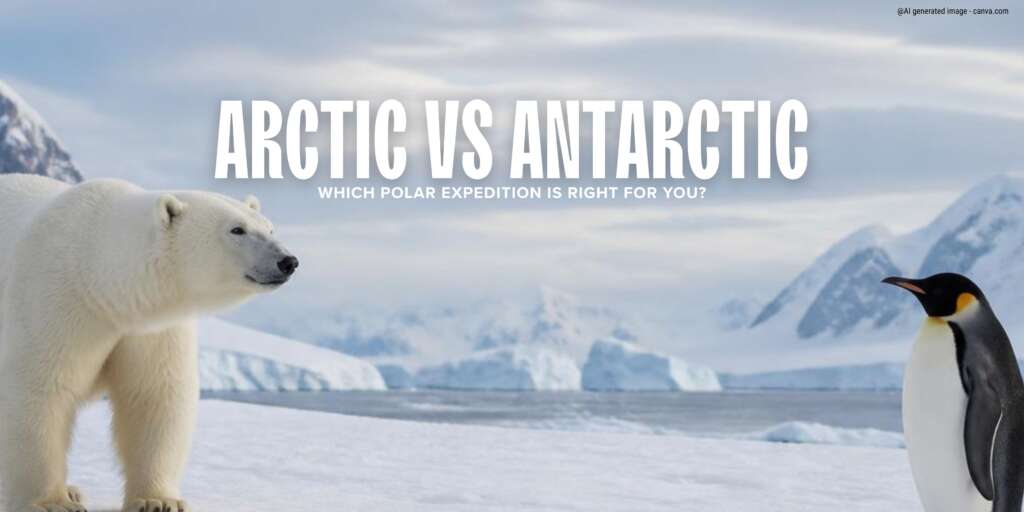
Two poles. Two very different worlds. One extraordinary Atlas Ocean Voyages Experience.
At the absolute edges of the map sit Earth’s greatest frozen frontiers—yet the Far North and the Far South offer remarkably different journeys.
Antarctica is an untamed sanctuary of ice, pure stillness, and massive wildlife concentrations. It is a continent dedicated strictly to nature and historic exploration, where sculpted blue bergs and vast penguin colonies create a landscape untouched by permanent human settlement.
The Arctic, meanwhile, combines dramatic polar scenery with deep cultural roots and diverse fauna. Navigating these northern waters with Atlas Ocean Voyages highlights two remarkable regions:
So, when comparing the Arctic vs Antarctica, which polar expedition is right for you?
The Arctic vs Antarctica at a Glance
| Experience | The Arctic | Antarctica |
| Location | The northern polar region, including Svalbard and Greenland | The continent surrounding the South Pole |
| Signature wildlife | Polar bears, walruses, Arctic foxes, reindeer, whales and seabirds | Penguins, seals, whales and seabirds |
| Landscape | Fjords, sea ice, tundra, mountains, glaciers and coastal communities | Ice sheets, enormous glaciers, tabular icebergs and snow-covered peaks |
| Culture | Living Inuit communities, Norse heritage and polar exploration history | Scientific research and the history of Antarctic exploration |
| Main season | May to September | October to March |
| Best suited to | Travellers seeking wildlife, culture and varied scenery | Travellers seeking remote wilderness, penguins and immense ice landscapes |
What Is the Main Difference Between the The Arctic and Antarctica?
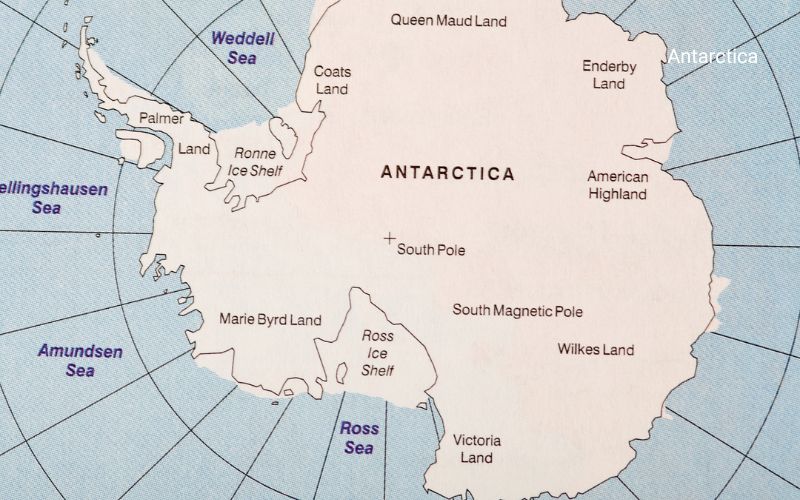
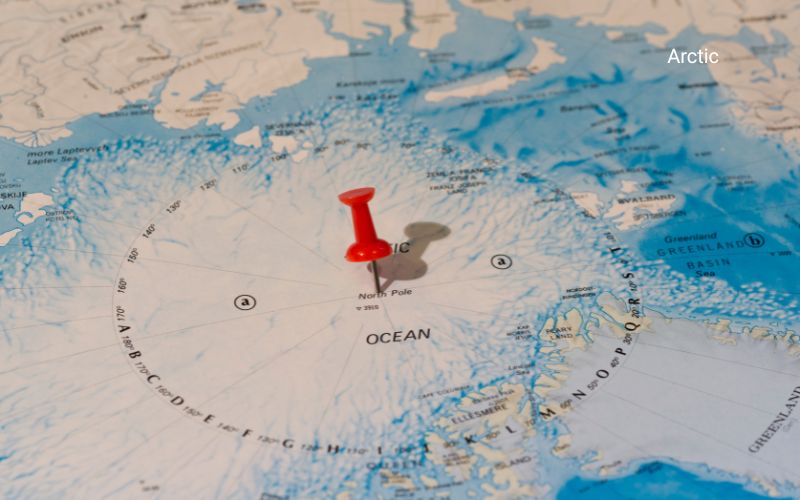
Antarctica is a continent surrounded by ocean, while the Arctic is an ocean surrounded by continents and islands. This geographical difference influences almost every aspect of the experience, including the wildlife, scenery, climate and human history.
Antarctica has no permanent resident population. Its dramatic landscapes, scientific research stations and historic expedition sites create an overwhelming sense of isolation.
The Arctic has been home to Indigenous peoples for thousands of years. Depending on the itinerary, travellers may encounter remote communities, historic settlements and cultural traditions alongside spectacular wilderness.
Polar Wildlife: Polar Bears or Penguins?
Wildlife in the Arctic
For many travellers, the possibility of seeing a polar bear in its natural habitat is the greatest attraction of an Arctic expedition cruise.
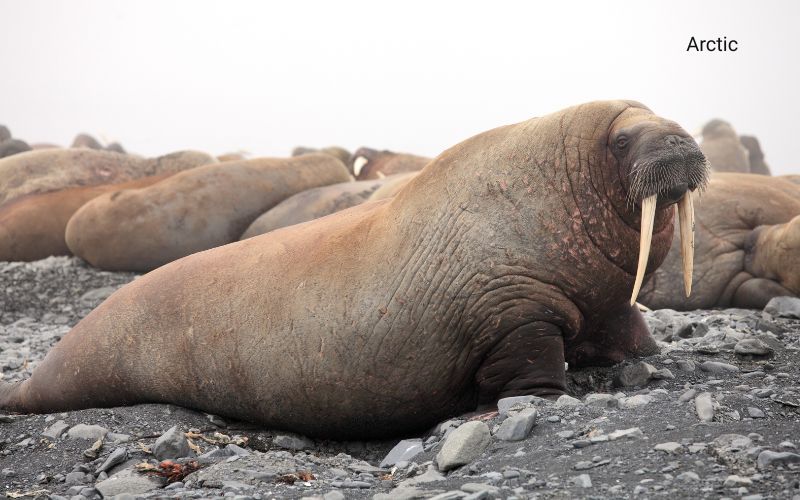
In Svalbard, expedition teams search for polar bears along shorelines and across the sea ice. The archipelago is also home to walruses, Arctic foxes, Svalbard reindeer, seals and immense seabird colonies.
Greenland’s fjords and coastal waters can support humpback whales, belugas and narwhals, while reindeer, musk oxen and Arctic birds may be encountered ashore. Wildlife varies according to the destination, season and individual itinerary.
Wildlife in Antarctica
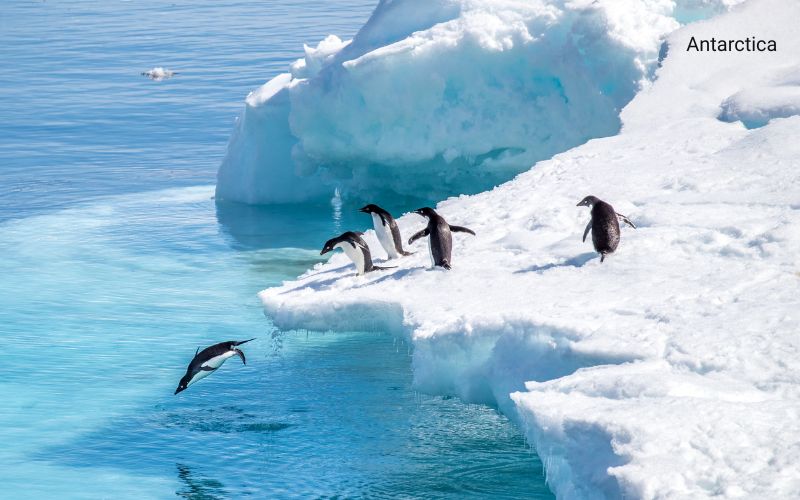
Antarctica is renowned for its enormous concentrations of marine wildlife. Gentoo, chinstrap and Adélie penguins gather in busy colonies, while crabeater, Weddell, fur and leopard seals can be seen along the coastline and resting on ice floes.
Humpback, minke and orca sightings are also possible, particularly later in the Antarctic summer when whales arrive to feed in the nutrient-rich waters.
There are no polar bears in Antarctica, just as there are no native penguins in the Arctic.
Polar Landscapes: Tundra and Fjords or Endless Ice?
Arctic Scenery
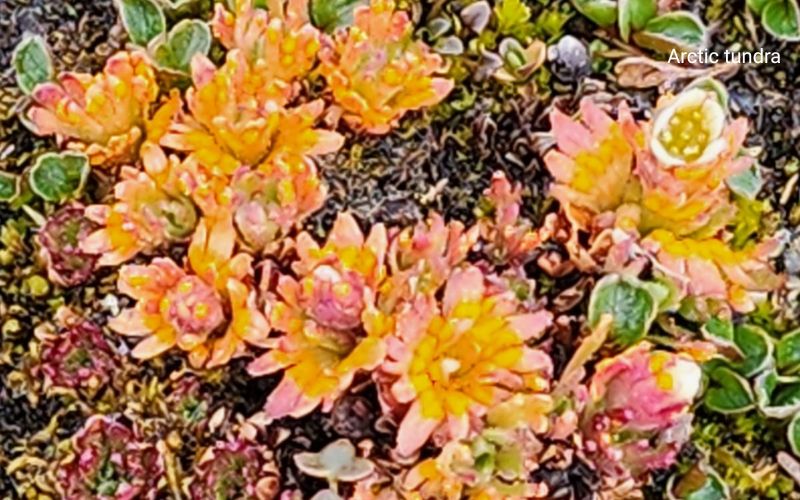
The Arctic offers greater landscape variety. Svalbard is characterised by jagged mountain ranges, sweeping glaciers, sea ice and tundra illuminated by the low polar sun.
Greenland presents an entirely different scene, with immense fjord systems, brightly coloured harbours, glacial valleys and enormous blue icebergs drifting past remote coastal settlements.
During the height of summer, the Midnight Sun creates almost constant daylight. On selected later-season voyages, darker evenings may also provide opportunities to see the Northern Lights.
Antarctic Scenery
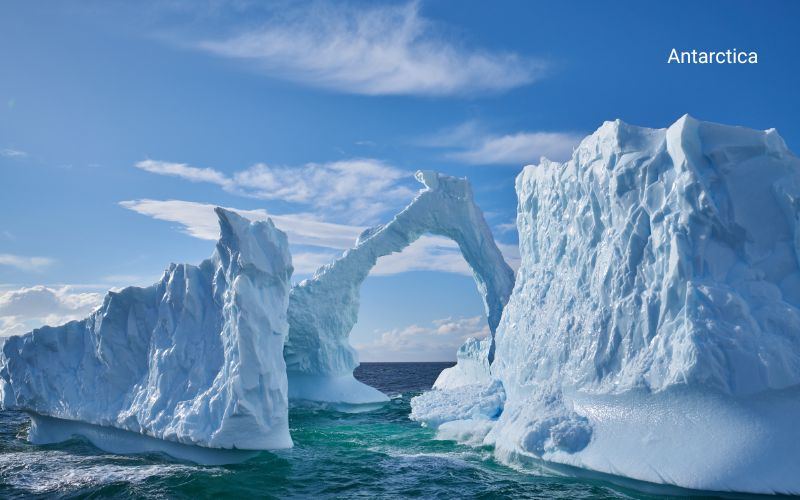
Antarctica feels larger, colder and more otherworldly. Its scenery includes immense ice sheets, towering glaciers, snow-covered mountain ranges and colossal tabular icebergs.
The scale can be difficult to comprehend until you are there—cruising silently through ice-filled bays or standing ashore surrounded by snow, mountains and the distant sounds of wildlife.
History and Culture
Arctic Heritage
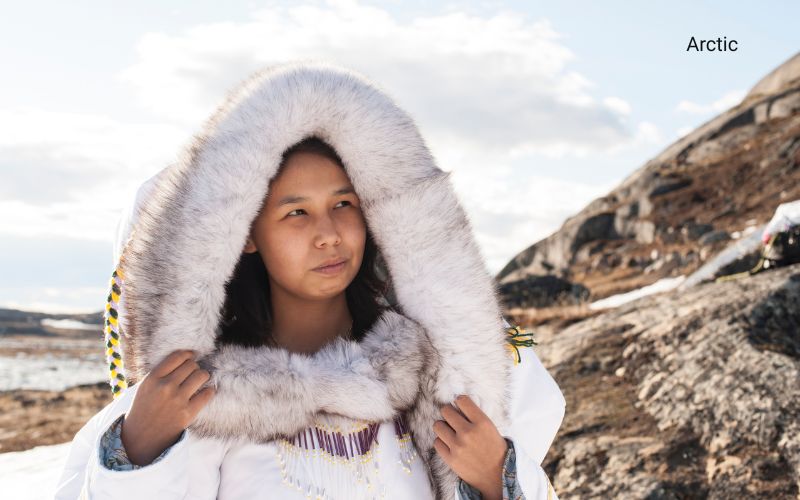
The human story forms an important part of many Arctic expeditions.
Svalbard’s history includes early whalers, trappers, mining communities, polar aviators and pioneering expeditions. In Greenland, Inuit traditions sit alongside Norse ruins and the legacies of early European exploration.
Selected itineraries may include respectful visits to remote communities, offering insight into how people have adapted to life in one of the world’s most challenging environments.
Antarctic Exploration
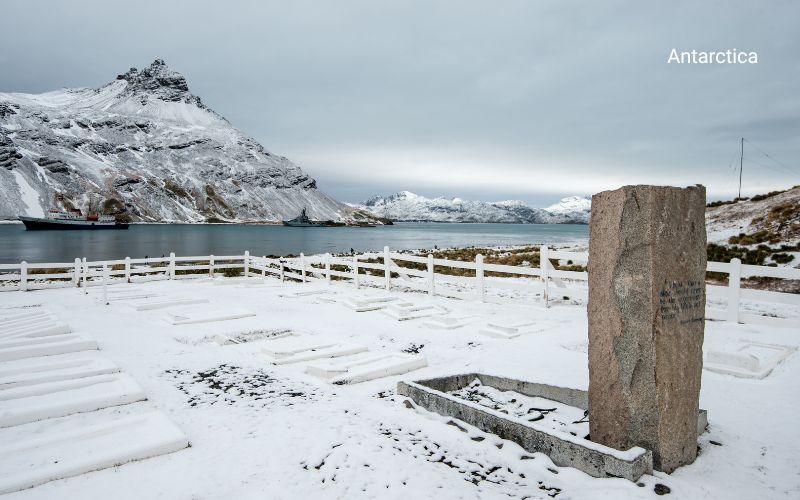
Antarctica’s human history centres on scientific discovery and the Heroic Age of Antarctic Exploration.
Depending on the itinerary and conditions, travellers may learn about explorers such as Sir Ernest Shackleton, Robert Falcon Scott and Roald Amundsen, and visit historic sites associated with early expeditions.
Today, the Antarctic Treaty supports peaceful international cooperation and scientific research across the continent.
What Can You Do on a Polar Expedition?
Both destinations are explored through a combination of yacht cruising, Zodiac safaris, shore landings and guided walks led by experienced expedition teams.
Arctic Experiences
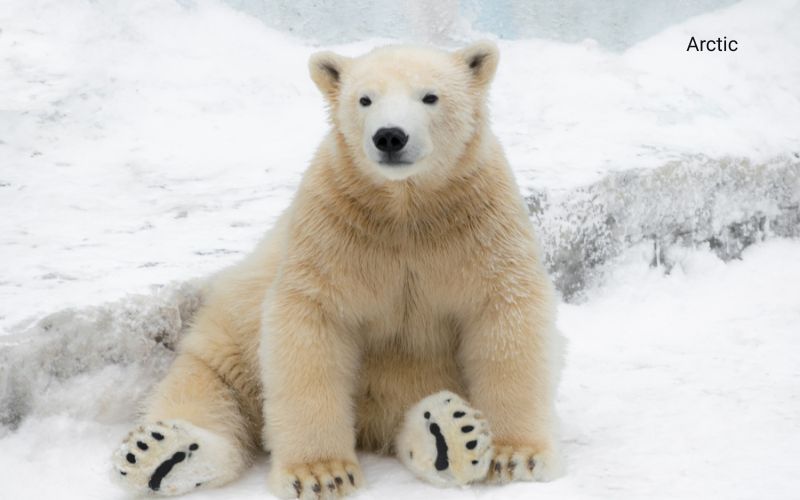
Possible Arctic activities include:
- Searching for polar bears, walruses and whales
- Zodiac cruising through fjords and around glaciers
- Guided tundra walks
- Visiting historic settlements and remote communities
- Learning about Inuit culture and Arctic exploration
- Photographing seabird colonies and summer wildflowers
Antarctic Experiences
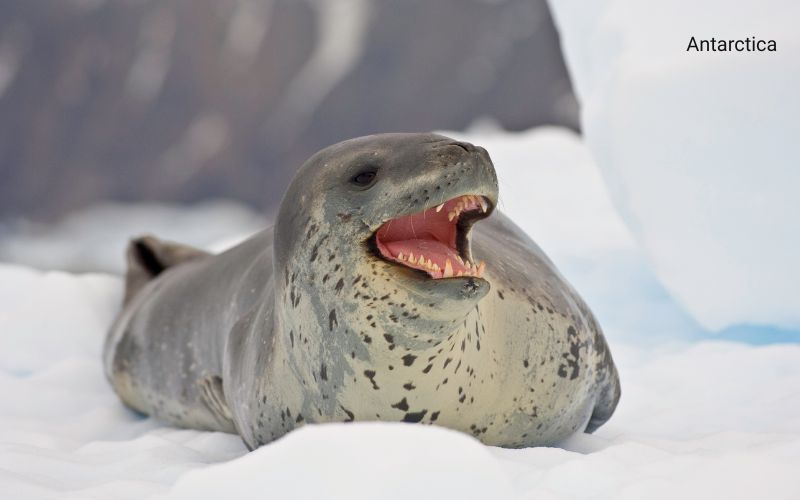
Possible Antarctic activities include:
- Landing near active penguin colonies
- Zodiac cruising among icebergs and sea ice
- Guided hikes across snow-covered terrain
- Observing seals and feeding whales
- Taking part in the Polar Plunge
- Optional kayaking or Antarctic camping on selected expeditions
All landings, wildlife encounters and activities are subject to weather, ice, sea and local operating conditions.
When Is the Best Time to Visit?
Arctic Cruise Season: May to September
The Arctic expedition season generally runs from May until September.
Early-season voyages may offer more sea ice, while June and July provide long days beneath the Midnight Sun. As summer progresses, tundra landscapes become more accessible and wildlife remains active. Later-season Greenland voyages may bring darker skies and the possibility of seeing the Northern Lights.
Antarctica Cruise Season: October to March
Antarctica is visited during the southern summer.
- October and November: Pristine snow, dramatic ice formations and courtship activity
- December and January: Long daylight hours, active penguin colonies and newly hatched chicks
- February and March: Excellent whale-watching opportunities and increasingly active sealife
There is no single “best” month. The ideal time depends on the wildlife, scenery and experiences you most want to see.
Which Polar Destination Should You Choose?
Choose the Arctic if you want:
- The possibility of seeing polar bears
- A combination of nature, culture and history
- Varied landscapes of tundra, fjords and mountains
- Opportunities to visit remote communities
- The Midnight Sun or possible late-season Northern Lights
Choose Antarctica if you want:
- Large penguin colonies and abundant marine wildlife
- Immense glaciers, icebergs and snow-covered landscapes
- A deeper sense of isolation and wilderness
- The history of heroic polar exploration
- Optional experiences such as kayaking or Antarctic camping
For many polar travellers, the answer is eventually both. Each destination offers an experience that cannot be replicated at the opposite end of the Earth.
Explore the Polar Regions with Cruise Traveller
Whether you are drawn to the wildlife and cultural encounters of the Arctic or the immense ice landscapes and penguin colonies of Antarctica, Cruise Traveller offers a wide range of luxury and expedition cruise options. From intimate expedition yachts to purpose-built polar ships, our experienced team can help you compare cruise lines, itineraries and travel styles to find the polar journey that is right for you.
Depending on the destination, season and itinerary, polar cruise options are available with:
- Atlas Ocean Voyages
- Aurora Expeditions
- Heritage Expeditions
- Silversea
- Seabourn
- PONANT
- Lindblad Expeditions
- Terra Nova Expeditions
- Hapag-Lloyd Cruises
- HX Expeditions
- Quark Expeditions
Explore the Arctic, Antarctica or both with Cruise Traveller, Australia’s most experienced small ship cruise specialist.
Frequently Asked Questions
Are there polar bears in Antarctica?
No. Polar bears live in the Arctic, while penguins are naturally found in the Southern Hemisphere, including Antarctica.
Is the Arctic or Antarctica colder?
Antarctica is generally much colder. Its high elevation, continental ice sheet and isolation contribute to more extreme temperatures.
Is the Arctic or Antarctica better for wildlife?
Both offer remarkable wildlife. Choose the Arctic for the possibility of polar bears, walruses, reindeer and Arctic foxes. Choose Antarctica for penguin colonies, seals and seasonal whale encounters.
Can I see the Northern Lights on an Arctic cruise?
It may be possible on selected late-season Arctic voyages when the nights become darker. Sightings depend on the destination, weather and solar activity.
Begin Your Polar Journey with Cruise Traveller
Still deciding between the Arctic and Antarctica? Cruise Traveller’s polar cruise specialists can compare the destinations, Atlas itineraries and current offers to help you find the expedition that best matches your interests.
1800 507 777
Contact Cruise Traveller today to explore current Atlas Ocean Voyages departures and secure your preferred suite.