

The Corinth Canal – Transforming the Mediterranean
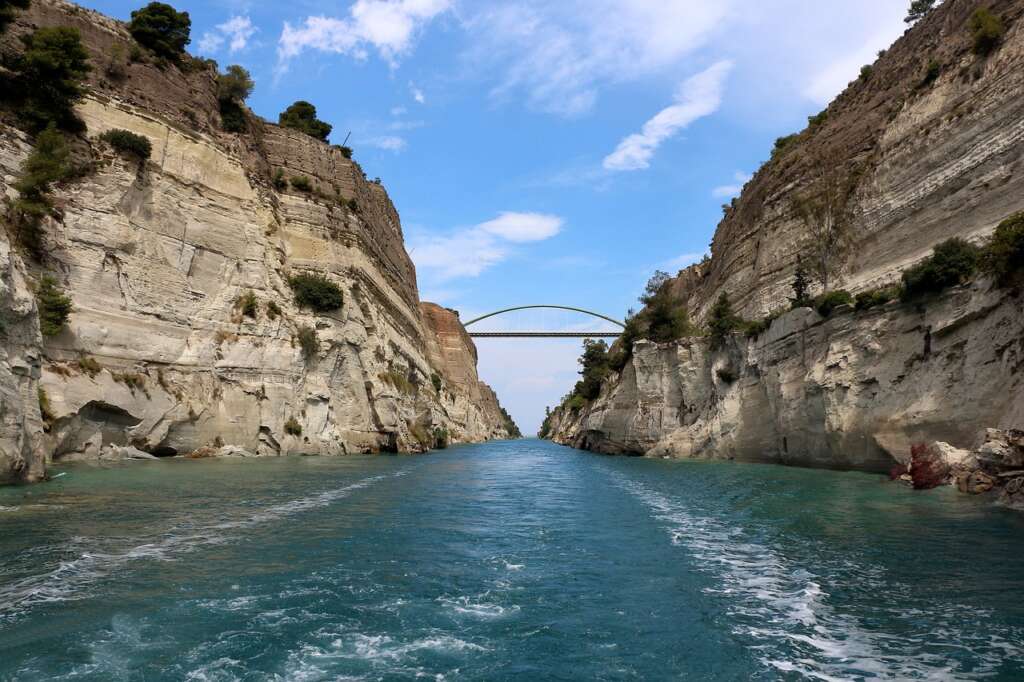
Nestled between the Greek mainland and the Peloponnese, the Corinth Canal is an engineering marvel and a must-visit destination for cruising enthusiasts. This narrow yet magnificent passageway, stretching approximately 6.4 kilometers (4 miles) and spanning 21 meters (69 feet) at its widest, offers a unique travel experience.
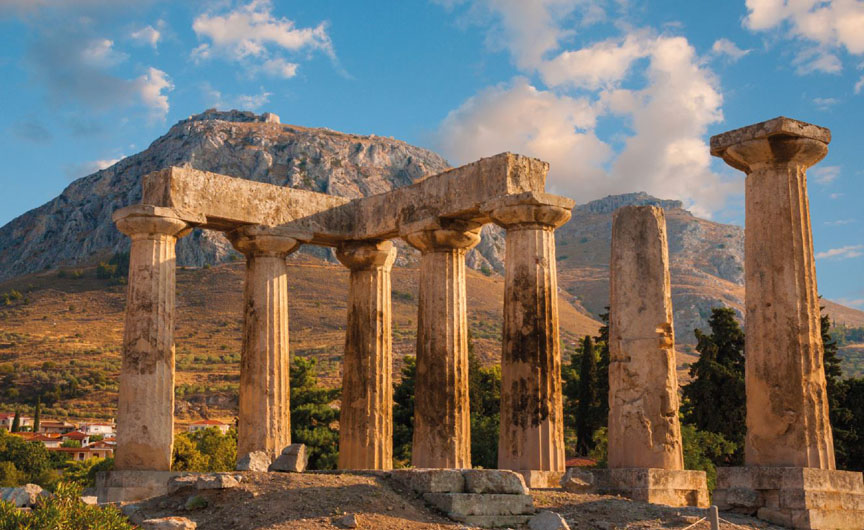
The idea of constructing a canal through the Isthmus of Corinth dates back to antiquity, with the earliest recorded attempt attributed to the 7th-century BC ruler Periander of Corinth. However, lacking the technological means, Periander abandoned the project in favor of the Diolkos, a paved track way that allowed ships to be transported overland across the isthmus. This method, though innovative, was labor-intensive and time-consuming, highlighting the persistent need for a navigable waterway.

In the Roman era, the ambitious Emperor Nero revived the concept in AD 67. Nero, with grand visions of connecting the Aegean and Ionian Seas, began the project with much fanfare, even symbolically striking the first blow with a golden pick axe. Thousands of Jewish slaves, captured from the First Jewish-Roman war were used to dig the canal, but the endeavor was soon abandoned after Nero’s death, leaving the dream unfulfilled yet again.
The modern realization of the Corinth Canal came in the 19th century. The concept was revisited in the context of the industrial revolution and advances in engineering. French engineer Ferdinand de Lesseps, famed for his work on the Suez Canal, initially took an interest in the project. However, it was the Hungarian engineers István Türr and Béla Gerster who finally saw the plan through. Construction began in earnest in 1882 under the direction of the Société Internationale du Canal Maritime de Corinthe, but progress was slow and plagued by financial difficulties, geological challenges, and political obstacles.
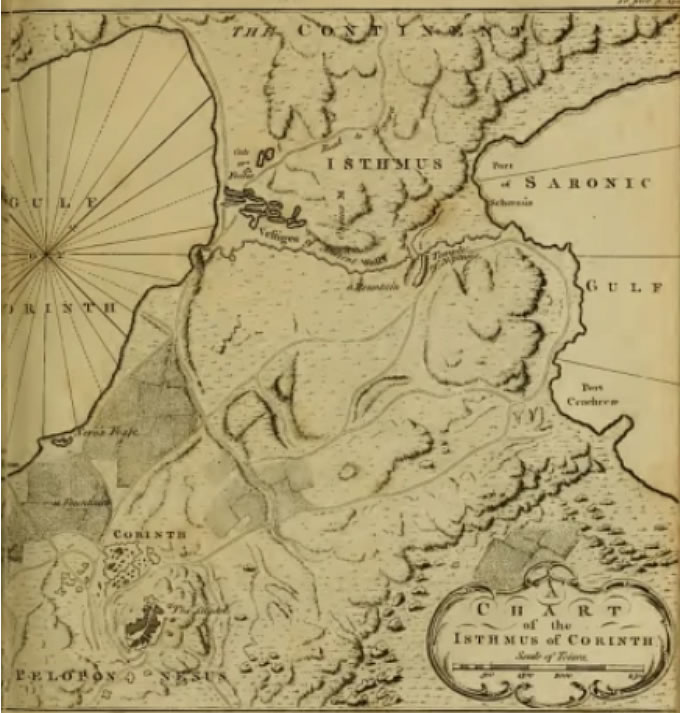
This ancient Venetian map of the Isthmus of 1697 AD was used by Richard Chandler in “Travels in Greece, or an Account of a Tour Made at the Expense of the Society of Dilettanti”. Oxford: 1776, page 241
From: On the Remains of Nero’s Corinth Canal Project – Corinthian Matters
Despite these challenges, the canal was completed in 1893, transforming maritime navigation in the region. The final construction involved carving through the limestone of the isthmus using dynamite and steam-powered excavators, a testament to the industrial might and determination of the era. Upon its completion, the canal significantly reduced travel time for ships by avoiding the long and perilous journey around the Peloponnesian Peninsula, fulfilling a vision that had spanned over two millennia

Cruising through the Corinth Canal is a unique experience due to its narrow and imposing walls, which rise up to 79 meters (260 feet) above sea level. The journey is often slow-paced, allowing you to fully appreciate the stunning geological formations and the canal’s precise engineering.
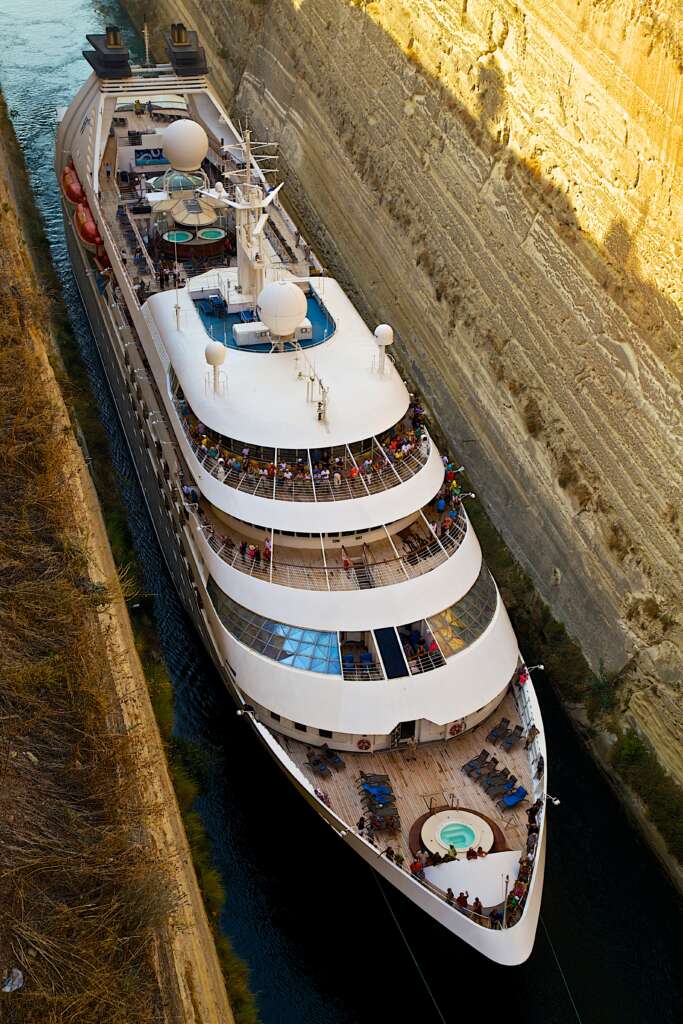
The towering limestone walls of the canal create a dramatic backdrop that is both awe-inspiring and humbling. As you sail through, you’ll have the opportunity to witness the interplay of light and shadow on the rock faces, offering excellent photographic opportunities.
Key points of interest include:
- The Submersible Bridges: At both ends of the canal, unique submersible bridges lower into the water to allow ships to pass, a fascinating sight to behold.
- Historical Landmarks: Look out for remnants of ancient structures and modern-day commemorative plaques that tell the story of the canal’s storied past.
Once you’ve navigated through the Corinth Canal, the surrounding region offers numerous attractions for cruisers to explore:
- Ancient Corinth: Just a short drive from the canal, this archaeological site provides a glimpse into the grandeur of ancient Greece with its well-preserved ruins.
- Loutraki: Known for its thermal springs and vibrant nightlife, Loutraki is an excellent spot for relaxation and entertainment.
- Nemea: Famous for its vineyards, Nemea offers a chance to sample some of Greece’s finest wines.
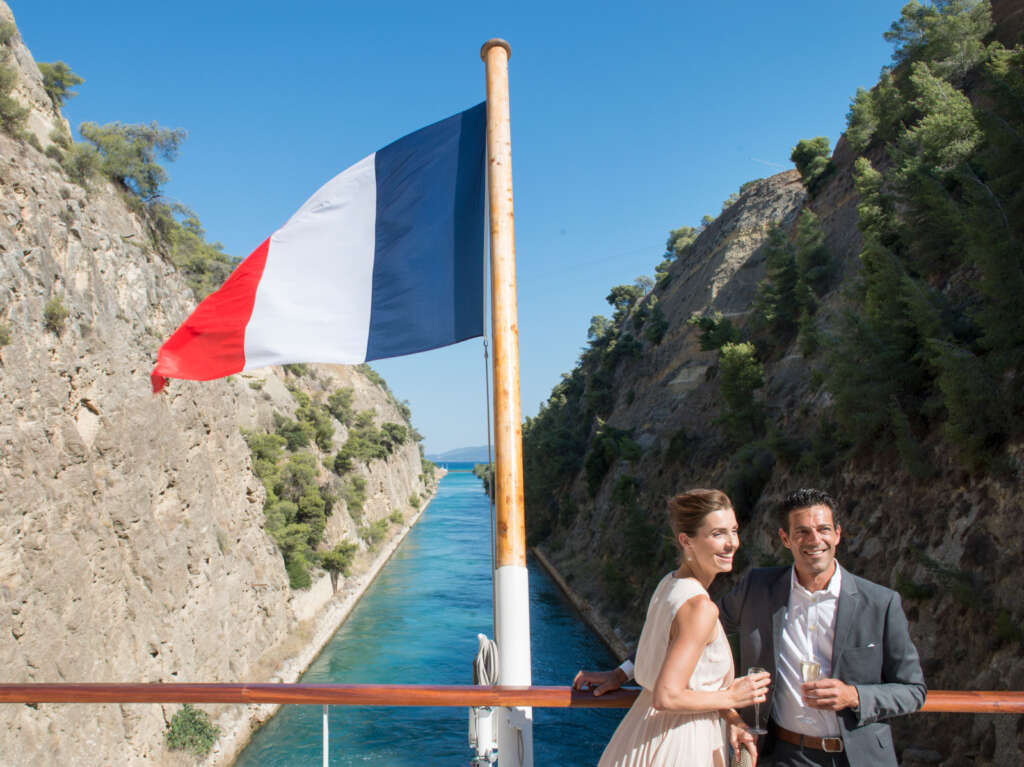
Whether you’re a seasoned cruiser or a first-time visitor, the canal promises an unforgettable experience, as if you are sailing along an ancient canal in a bygone era. Make sure to consider adding a journey along this incredible waterway to your holiday plans and immerse yourself in one of Greece’s most captivating landmarks.