

How do ships get into (and out of) the Black Sea
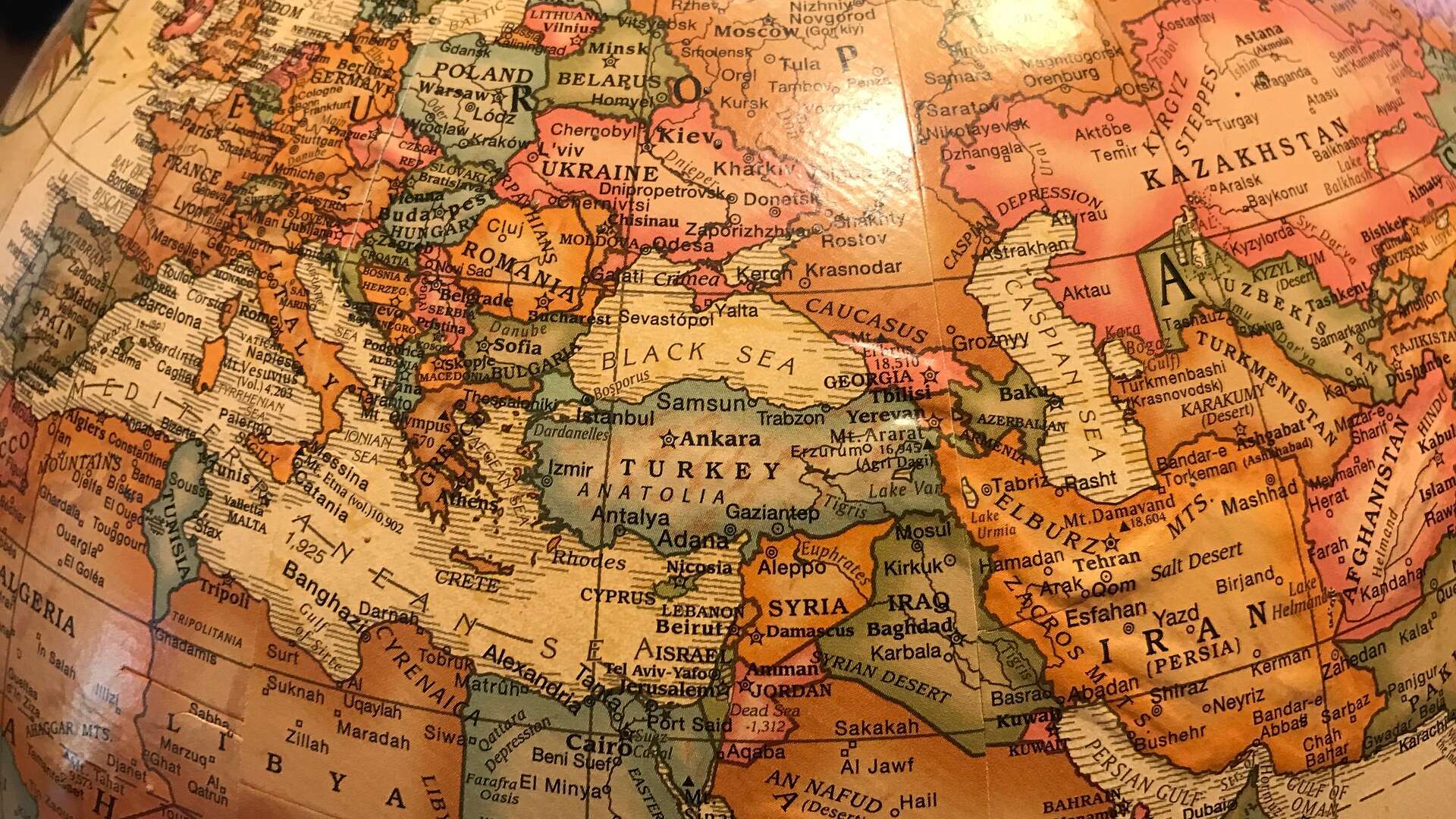
At a glance, the Black Sea appears to be landlocked.
It very well might have been a long long time ago. Some evidence suggests that the Black Sea had much lower water levels, meaning it could have been a landlocked lake at some point during the ice age. In the upheaval caused by the ice age, water levels would have risen significantly and could have lead to both the Black Sea and the Aegean Sea rising high enough to connect to each other.

The exact details of how this occurred is unclear. Geologists, William Ryan, Walter Pitman and Petko Dimitrov were the first to introduce the Black Sea deluge hypothesis. This theorised that in the post-glacial period the Mediterranean had risen to the point that it suddenly breached a sill in Bosporus. This relatively small breach would have lead to flooding an area of over 100,000 square kilometres. They claimed that if this event did occur, the water would have flowed through Bosporus at a rate two hundred times greater than the Niagara Falls. This hypothetical event is potential the genesis of the great flood mono-myth. In the years since this hypothesis was published there has been some evidence to both prove and disprove the original study.

Regardless, this hypothesis does reveal how the Black Sea is actually accessed. The Bosporus Strait connects the Black Sea to the much smaller Sea of Marmara, which is connected to the Aegean Sea by the Strait of Gallipoli. These connections are large enough for most ships, if not all, to access the Black Sea. This is why there has been significant concern around the control of this region during the Russia-Ukraine war, as these connecting straits are a crucial element in Ukraine’s ability to link with the rest of the world through the Odessa port.